


No car needed: Immerse yourself in Europe’s protected landscapes by rail
From national parks to protected alpine valleys, some of Europe’s most beautiful landscapes begin right at the train platform.
When people think about nature travel in Europe, they often imagine remote roads, hire cars or short flights followed by long transfers.
But some of Europe’s most exceptional protected landscapes begin somewhere far simpler. At a train platform.
Across the continent, mainline and regional railways quietly reach into national parks, protected countryside and UNESCO landscapes. You step off the train and straight into hiking trails, river valleys, alpine scenery or wild forests. No car. No domestic flights. No detours.
Here are six protected landscapes where the train does not just get you close. It gets you there.
Cévennes National Park, France
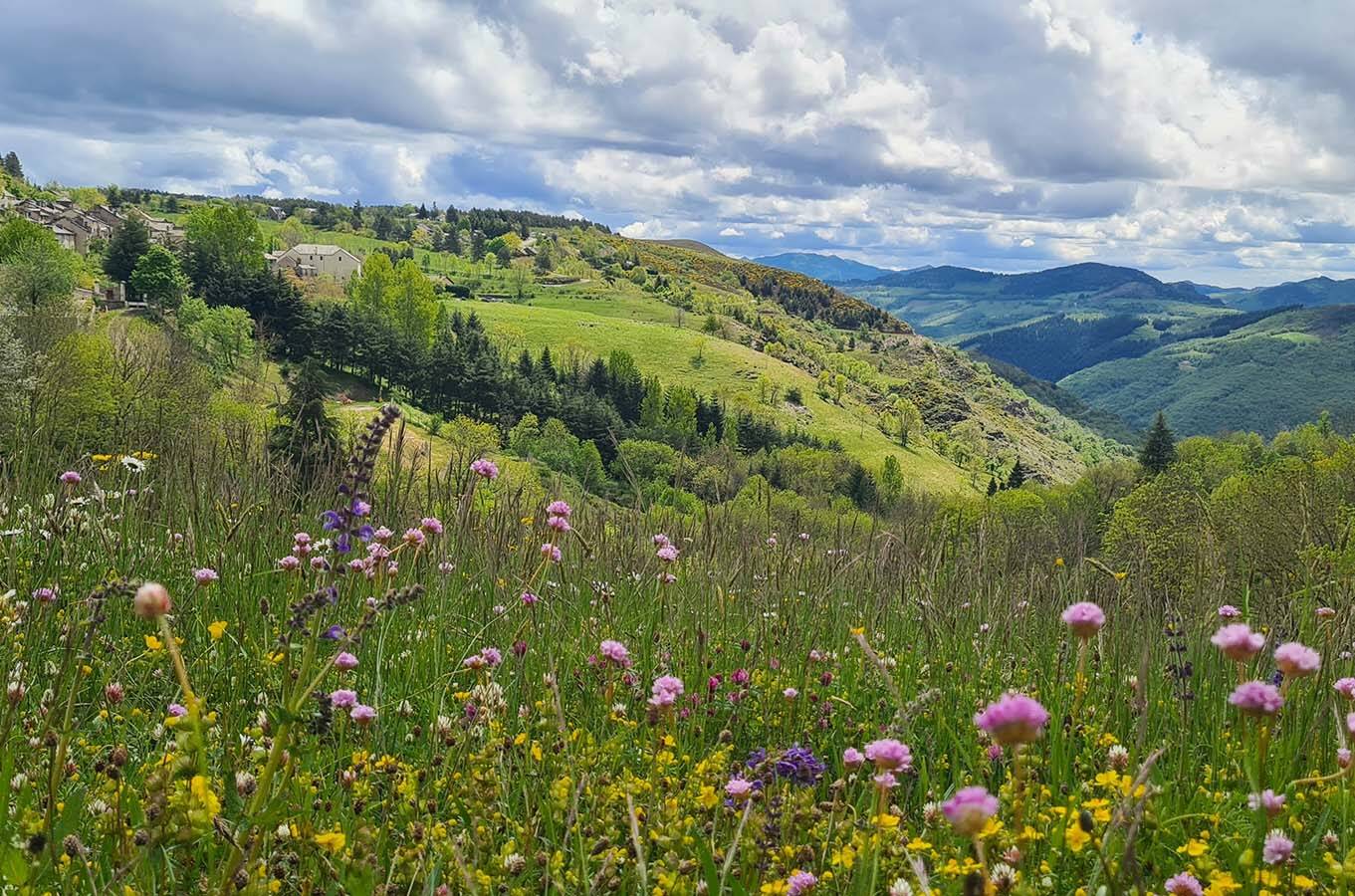
Station: Chamborigaud
Tucked away in southern France, the Cévennes is one of the country’s wildest national parks. Rugged valleys, chestnut forests and quiet stone villages define this protected area, which remains refreshingly under the radar.
Chamborigaud station sits directly inside the park, making it an ideal base for slow travel and hiking without a car.
What to do
Walk sections of the GRP Tour de la Haute Vallée du Luech, a long-distance route through remote valleys
- Explore forest trails leading to the Forêt du Pont de Rastel
- Base yourself in small villages where walking is the main activity
Getting there by train
Travel entirely by rail from Paris to Nîmes, then continue by regional train to Chamborigaud.
Why it works: you arrive already inside the national park, with trails starting minutes from the station.
South Downs National Park, England
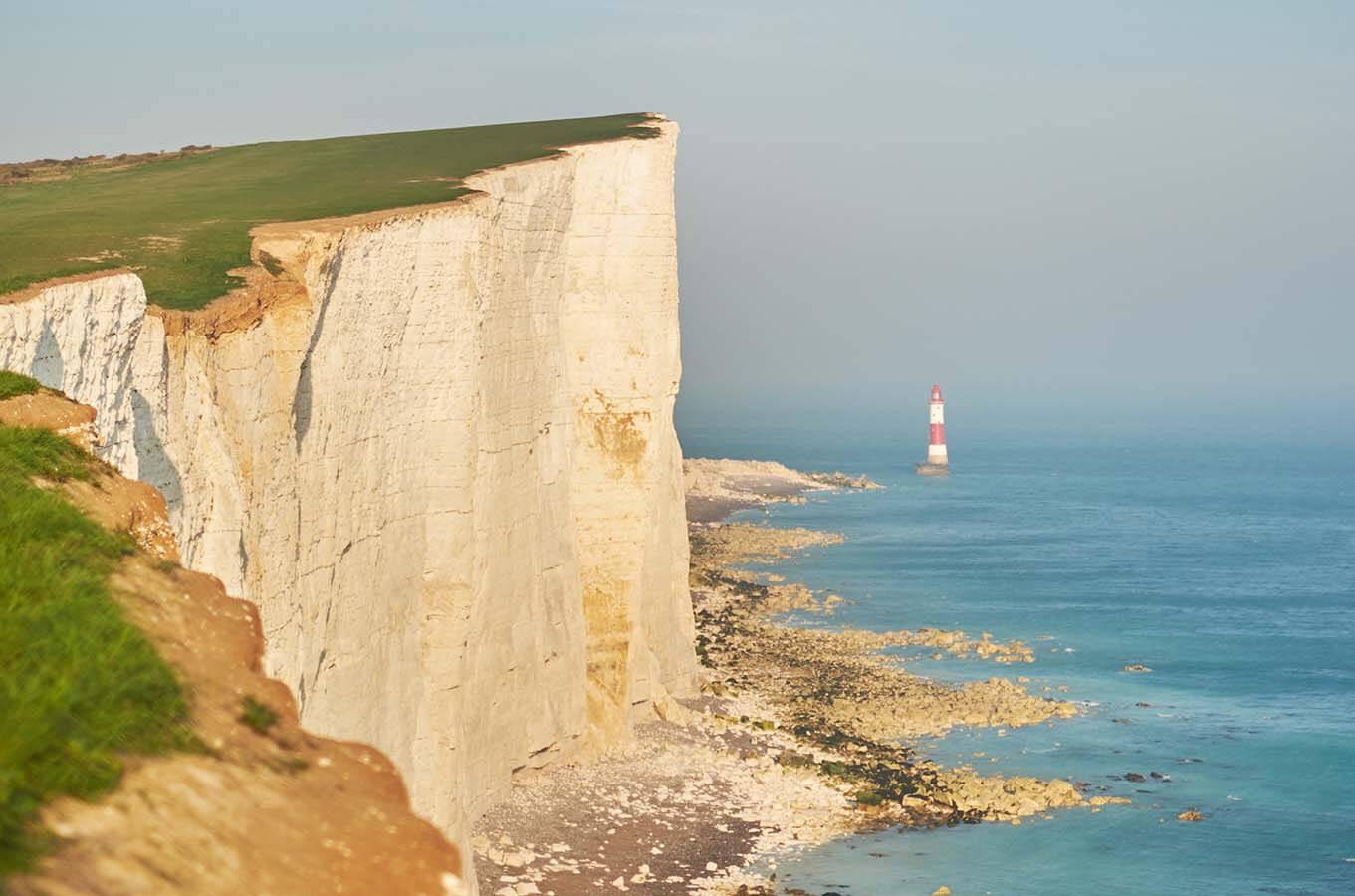
Station: Southease
One of England’s newest national parks, officially designated in 2011, the South Downs feels worlds away from the capital despite being just over an hour by train.
Southease station sits directly on the South Downs Way, one of England’s most iconic long-distance walking trails.
What to do
- Walk east or west along the South Downs Way straight from the platform
- Follow routes through chalk hills, river valleys and classic English countryside
- Combine walking with village pubs and riverside paths
Getting there by train
Direct trains run from London to Southease in just over an hour.
Why it works: no transfers, no car hire, no need to leave London early. The trail begins at the station.
Parque Natural Sierra Norte de Sevilla, Spain
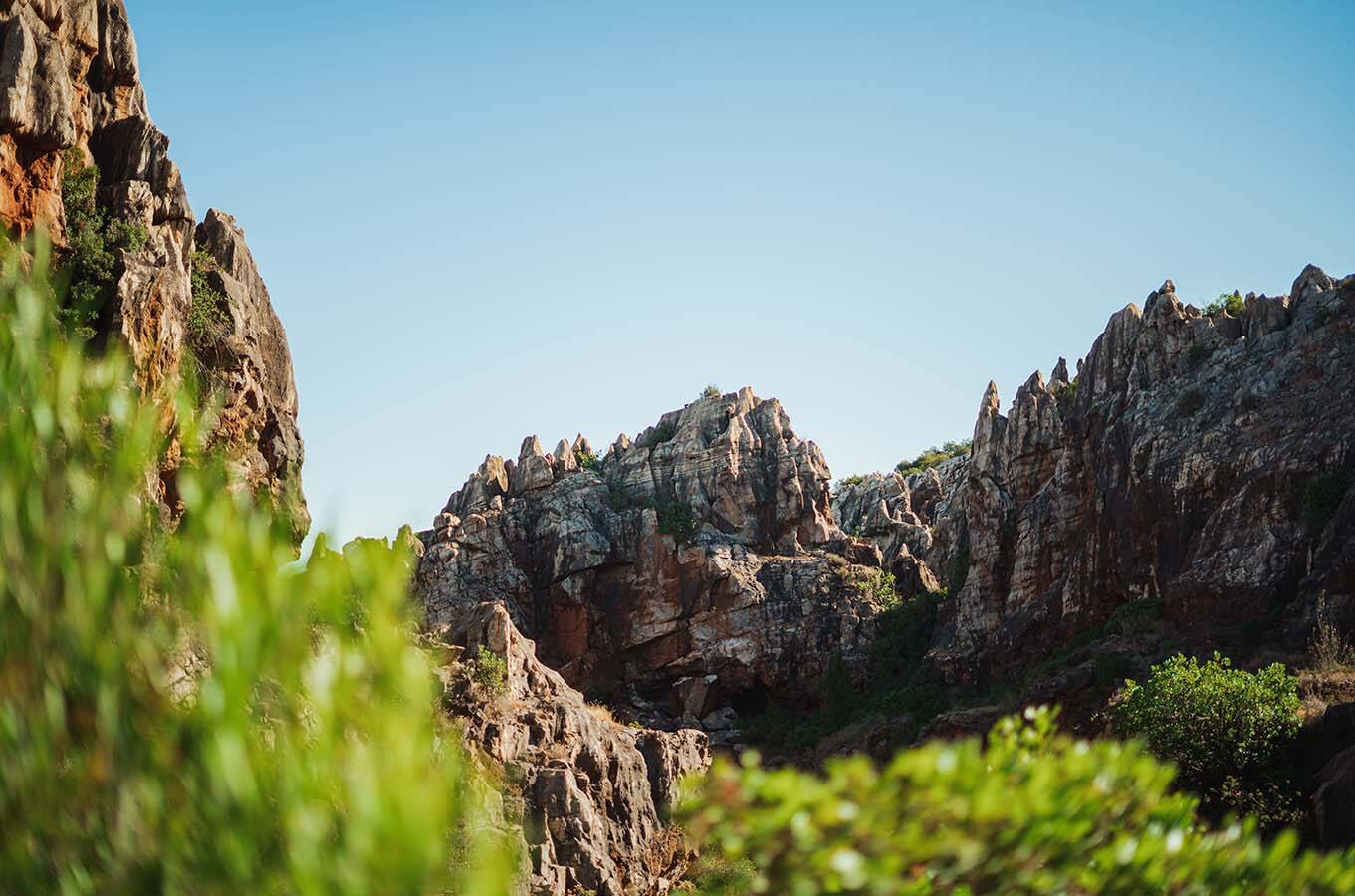
Station: Cazalla-Constantina
Northern Andalusia’s Sierra Norte is one of southern Spain’s largest protected areas, known for cork oak forests, rolling hills and quiet white villages.
Cazalla-Constantina station sits within the park itself, offering direct rail access to landscapes that feel far removed from Spain’s more famous destinations.
What to do
- Walk forest trails through the Sierra Norte
- Explore traditional villages surrounded by oak woodland
- Hike gentle hills with wide open views and very little foot traffic
Getting there by train
Direct trains run from Madrid to Cazalla-Constantina, with journey times around six to seven hours.
Why it works: one train, no connections, no car. You arrive already surrounded by protected nature.
Sächsische Schweiz National Park, Germany
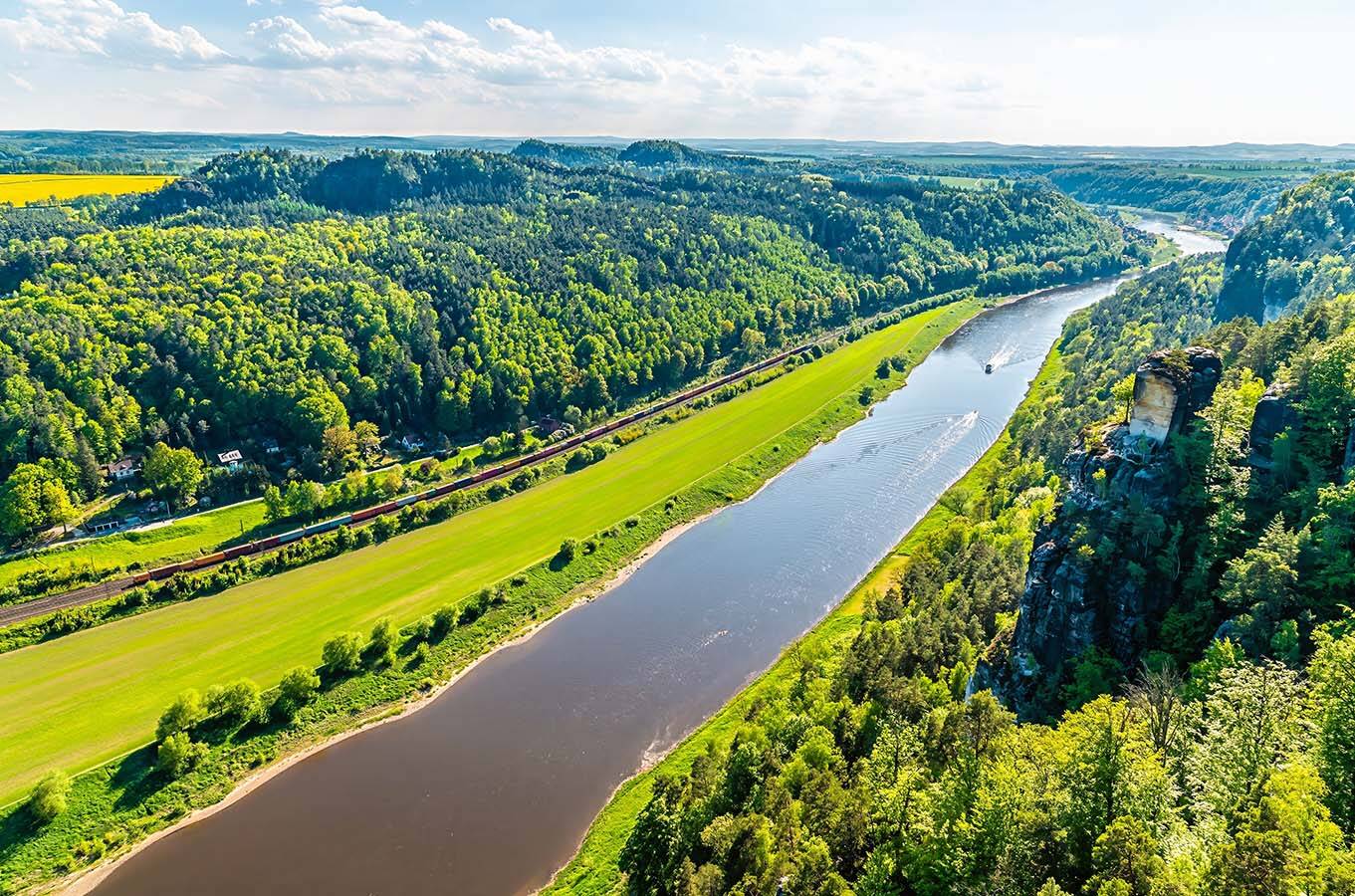
Station: Bad Schandau
Despite its name, Saxon Switzerland is in eastern Germany and is one of the country’s most dramatic national parks. Think sandstone cliffs, river gorges and panoramic viewpoints above the Elbe River.
Bad Schandau station sits right at the edge of the park, connected by both mainline trains and local transport.
What to do
- Hike trails through the Elbe Sandstone Mountains
- Combine forest paths with ferry crossings on the Elbe
- Reach panoramic viewpoints within a short walk or local connection
Getting there by train
Direct trains serve Bad Schandau from Berlin, as well as international routes from Brussels, Budapest, Copenhagen, Vienna and Zürich.
Why it works: this is a national park connected by international rail, not regional backroads.
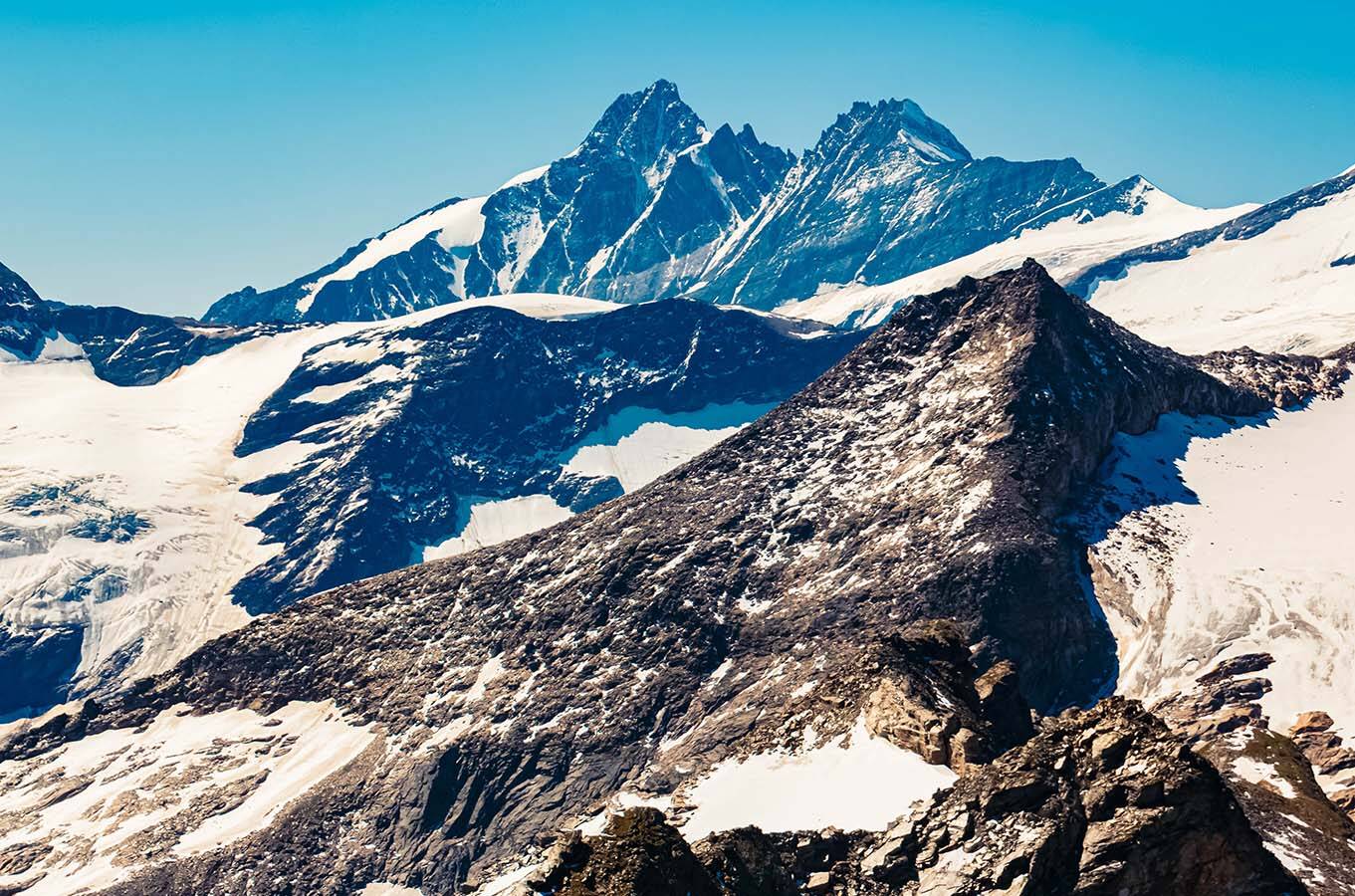
Hohe Tauern National Park, Austria
Station: Mallnitz-Obervellach
Austria’s largest national park is home to its highest peaks, glacier valleys and classic alpine scenery. Unusually, the railway runs directly through the heart of it.
Mallnitz-Obervellach station sits inside Hohe Tauern National Park, making it one of the most striking train arrivals in the Alps.
What to do
- Walk alpine trails directly from the station
- Explore valleys, waterfalls and high mountain meadows
- Base yourself for multi-day hikes without needing a car
Getting there by train
Mainline trains run from Salzburg or Vienna to Mallnitz-Obervellach, passing straight through the Alps.
Why it works: no mountain roads, no driving stress. The landscape begins at the platform.
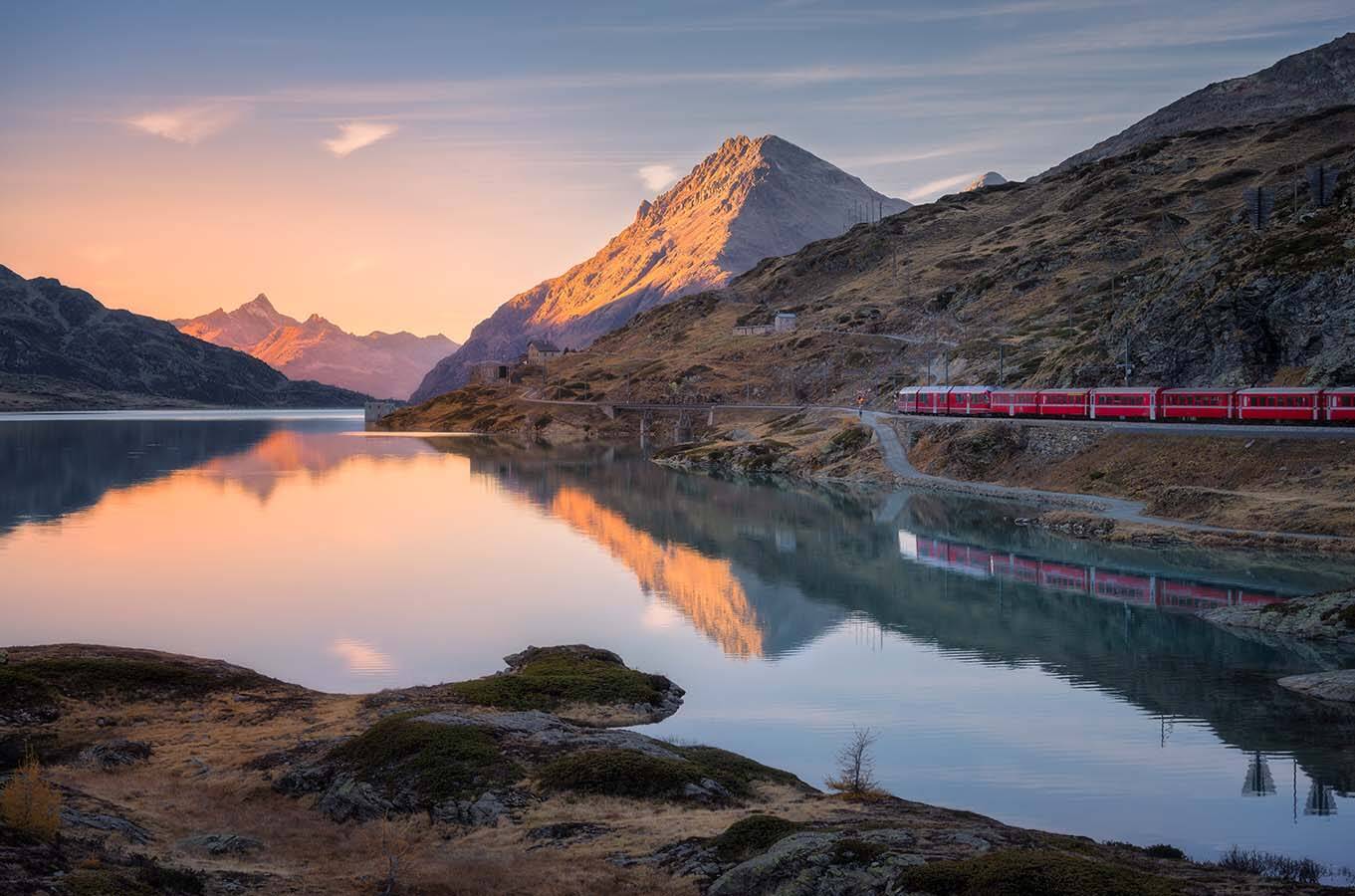
Bernina Railway, Switzerland
Station: Morteratsch
Switzerland has just one national park and railways are deliberately kept out of it. But the scenery along the Bernina Railway would qualify as protected almost anywhere else.
Morteratsch station, in the Engadin Valley, opens directly onto glaciers and high alpine trails.
What to do
- Walk the Morteratsch Glacier Trail directly from the station
- Explore alpine valley paths with glacier views
- Combine hiking with one of Europe’s most scenic rail journeys
Getting there by train
Travel the UNESCO-listed Bernina Railway between St. Moritz and Tirano, stopping at Morteratsch along the way.
Why it works: the journey is part of the landscape, not a means to escape it.
Why train travel changes how you experience nature
Travelling by train allows you to go deeper into Europe without flying over it. You arrive gradually. Landscapes shift outside the window. Stations place you directly into protected areas rather than on their edges.
It is slower, simpler and often more rewarding than driving or flying.
How to book these routes
All of these journeys can be booked with point-to-point train tickets if you are visiting just one destination.
If you are combining several regions or building a longer nature-led itinerary, a rail pass can offer flexibility, allowing you to hop between cities and landscapes without fixing every detail in advance.
With Rail Europe, you can compare routes, check timetables and book European train travel in one place, whether you are planning a single hike or an entire journey through Europe’s protected landscapes.
No car needed. No flights required. Just exceptional nature, reached by train.
Powered by Froala Editor