Trains to Rome
Taking the train to Rome places you at the crossroads of past and present, where ancient structures stand alongside bustling cafes. The Rome central train station, Roma Termini, provides access to a dynamic city where each street reveals another layer of history, art and culture. When you travel by train to Rome, you're choosing the best way to reach Italy's capital. High-speed services operated by Italian train companies connect you to Milan in 3 hours, Florence in 1 hour 30 minutes, and Naples in just 70 minutes. Whether arriving from the Rome airport train station at Fiumicino or journeying from cities near Rome by train, you'll find convenient connections throughout the day. In this guide, you'll discover how to navigate train travel in Rome, from choosing the right station to finding the best services for your journey. We'll explore the main stations, including Roma Termini train station, share tips for booking tickets and help you plan connections to destinations across Italy and Europe.
Getting to Rome by train
Italian train companies make reaching Rome effortless, with Trenitalia and Italo offering frequent daily services. Trenitalia's flagship Frecciarossa trains speed you to Rome in style, hitting speeds of up to 300km/h, on routes from Milan, Venice and Naples. You'll enjoy comfortable seats, a café-bar and free Wi-Fi throughout your journey. Simply arrive at the station 15 minutes before departure with your ticket ready to board. Italo provides a sleek alternative on major routes to Rome, with its distinctive purple trains offering four classes of service. As opposed to the government owned Trenitalia, Italo is Italy’s private train provider. Their modern fleet serves the same high-speed lines as Trenitalia, giving you more choice of departure times and often competitive fares between major cities. For travellers coming from outside of Italy, several European rail operators connect seamlessly with Rome-bound services. ÖBB's Nightjet trains offer a romantic journey from Munich and Vienna, letting you fall asleep in one country and wake up in the heart of Rome. Deutsche Bahn services from Germany link smoothly with Italian trains from cities like Munich or Berlin. SNCF connections from France typically route through Milan or Turin, making Rome easily accessible from Paris and southern France. All high-speed trains to Rome require advance booking with a seat reservation. Regional trains within Italy offer more flexibility, with tickets valid for any train on your chosen route within a set period.
Rome train stations: Your guide to the city's rail hubs
The Italian train station inside Rome you'll most likely use is Roma Termini, the city's beating heart of rail travel. Located on Via Giovanni Giolitti, this bustling hub welcomes trains from across Italy and Europe. Two metro lines (A and B) cross here, and dozens of bus routes stop outside, making reaching any part of the city simple. Inside Termini, shops, restaurants and left luggage facilities are spread across its three primary levels. You might also use Roma Tiburtina, the city's second-largest station, when taking trains from Rome to Florence or Milan. Located in northeastern Rome, Tiburtina has grown into a significant stop for high-speed services. Some travellers prefer to depart from here because it's less crowded than Termini. The station still offers plenty of amenities and excellent metro connections on Line B. The Rome train stations map also includes Roma Ostiense, situated in the trendy Ostiense district south of the city centre. This historic station serves regional trains and provides a direct link to Fiumicino Airport. From the connected Piramide metro station, you can quickly reach the charming Testaccio neighbourhood or the trendy bars of Trastevere. If you're arriving at Fiumicino, the Rome airport train station offers two types of service to the city: the Leonardo Express direct to Termini (32 minutes) and the FL1 regional line serving Tiburtina and Ostiense. The Leonardo Express runs every 15-30 minutes, making your journey into Rome's centre quick and stress-free.
Popular train journeys to Rome
You can reach Rome by train from anywhere in Italy and many European cities. Here are a few of the most popular Italian routes.
Milan to Rome
The high-speed line between Milan and Rome ranks as one of Europe's busiest, with trains to Rome departing every 30 minutes. This 3-hour journey whisks you from Italy's fashion capital through the rolling landscapes of Emilia-Romagna. Both Trenitalia and Italo offer comfortable service and city-centre arrivals. The route passes through Italy's Food Valley near Parma, where the countryside produces Parmigiano-Reggiano cheese and Prosciutto di Parma ham.
Florence to Rome
Florence to the Rome takes just 1 hour 30 minutes by train, making it perfect for day trips or starting your Roman holiday. As you speed south from the Renaissance city, you'll glimpse Tuscany's olive groves and hill towns before arriving at Roma Termini train station. The Italian train companies compete for your business on this popular route, often offering attractive fares when you book in advance. Watch for the stunning medieval towers of Orvieto perched dramatically on its tufa cliff as you approach Rome.
Venice to Rome
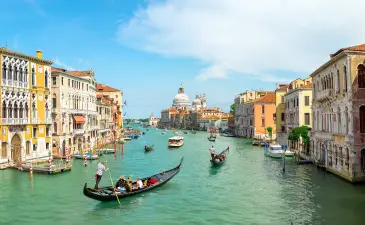
From Venice, trains to Rome carry you on a fascinating 3 hour 45 minute journey across the heart of Italy. Your train glides out of Venice's lagoon setting, through Bologna's culinary heartland and beneath the Tuscan hills before reaching Rome. The journey begins spectacularly as you cross the long causeway over the Venetian Lagoon, with Venice's domes and bell towers receding into the distance. For the best views, choose a seat on the left side of the train as you head south.
Naples to Rome
Naples is just 70 minutes from Rome by rail, and services are so frequent that you barely need to check the timetable. This speedy connection between Italy's third-largest city and capital makes exploring both destinations convenient, even if you're only in Italy for a few days. Many travellers use this route to combine Rome's ancient wonders with day trips to Pompeii or the Amalfi Coast.
Bologna to Rome
The journey from Bologna to Rome immerses you in a 2 hour 15 minute journey through central Italy's most captivating scenery. Leaving Bologna Centrale, you'll speed south through Emilia-Romagna's fertile plains before your train begins climbing into the Apennine Mountains. Watch from your window as the landscape transforms from lowland farms to dramatic peaks and valleys, with hilltop towns crowning the horizon. Both Italian train companies, Trenitalia and Italo, offer frequent services to Roma Termini train station, with departures approximately every hour. Keep your camera ready as you pass through Tuscany - the best views appear on the right side of the train as you travel south, especially as you pass near Florence and through the rolling hills of Chianti.
Turin to Rome
The journey from Turin to the central train station in Rome covers nearly 700km of Italy's high-speed rail network. Your 4 hour 30 minute trip begins at Turin's Porta Nuova station, heading east across the Po Valley before turning south toward Rome. From your seat, you'll see the landscape change from the Alpine-influenced north to the Mediterranean centre of Italy. Travelling on trains from Turin to Rome, you can choose between direct services or break your journey in Milan, Bologna or Florence. The direct option on Trenitalia's Frecciarossa trains provides comfortable seating, a café-bar and power outlets throughout the trip. For the most scenic views between Turin and Roma Termini, choose a seat on the right side of the train when heading south.
Overnight trains to Rome
With an overnight train to Rome, you can fall asleep in Munich or Vienna and wake up at Roma Termini train station as the morning sun illuminates the city's ancient domes. Overnight trains to Rome offer a blend of romance and practicality, saving you time and hotel costs while adding an adventure to your journey. On these sleeper services, your private compartment becomes a comfortable haven. You can choose from six-berth couchettes, ideal for budget travellers, to private double sleepers with en-suite facilities for those seeking more luxury. Each bed has fresh linens, and you'll find luggage space under the lower berths or above the door. Most compartments include power outlets for charging devices, and many offer a small sink for freshening up. The evening begins in the dining car or bistro, where you can enjoy dinner while watching the landscape change. When you return to your compartment, the attendant will have transformed your seats into comfortable beds. Wake to the gentle rhythm of the rails and a light breakfast, often included with First-Class tickets, before arriving in central Rome refreshed and ready to explore. Answers to common queries about overnight train travel in Rome:
- Doors lock from the inside for security
- Shower facilities are available in deluxe compartments
- Solo travellers can book single-gender couchettes
- Wake-up service ensures you won't miss your stop
- Most trains offer space for bicycles with advance booking
How to book on Rail Europe
Booking your journey to a Rome, Italy train station is straightforward through Rail Europe's user-friendly platform. Whether planning a high-speed trip from Florence or an overnight adventure from Munich, you'll find all available options in one place. Start your booking by entering your departure city and "Rome" as your destination. Rail Europe displays schedules for all major train companies in Italy, including Trenitalia and Italo, letting you easily compare times and fares. Smart booking tips for Rome train station arrivals:
- Book in advance for the best fares
- Compare morning and afternoon departures - mid-day trains often cost less
- Check both Roma Termini train station and Tiburtina as your arrival point
- Set price alerts if your preferred dates aren't yet available
- Look for "Super Economy" or "Economy" fares for the best deals
After selecting your train, you'll choose your seat preferences (window or aisle) and receive your tickets electronically. Most tickets to Rome can be displayed on your phone, though some require printing. The system indicates which format you'll need before purchasing. Remember to check the fare conditions before booking. Some tickets offer Flexibility for changes, while others are fixed to specific trains. The booking platform displays these details, helping you choose the right ticket for your travel style. For an extended exploration of Italy or Europe, consider a rail pass. An Italy One Country Pass gives you the freedom to hop on and off trains to Rome and between other Italian cities over a set number of days. The Eurail Global Pass (for non-European residents) and Interrail Global Pass (for European residents) offer even more flexibility, letting you combine your Roman holiday with adventures across up to 33 European countries. These passes come in various durations, from 4 days to 3 months of travel, and you can choose between continuous travel or a set number of journey days within a longer period. While most high-speed trains from Rome require seat reservations even with a pass (around 10 Euros per journey), regional trains often don't need to be reserved in advance.
Exploring Rome
When you step off your Rome trains at Termini, you're minutes away from some of the world's most iconic monuments. The Colosseum, a testament to ancient Roman engineering, stands just two metro stops away. Book your skip-the-line tickets in advance to avoid the queues, then spend a morning exploring this 2,000-year-old amphitheatre where 50,000 spectators once watched gladiatorial contests. Take the A-line metro from Termini to Vatican City, home to St Peter's Basilica and the Vatican Museums. The museums house one of the world's most renowned art collections, culminating in Michelangelo's breathtaking Sistine Chapel ceiling. Arrive early or book an afternoon slot to avoid the busiest times. The vast St Peter's Square welcomes you with its embracing colonnades. The basilica's dome offers panoramic city views for those willing to climb its 551 steps. Coming from Fiumicino? The Rome airport to Rome train station service puts you just a short metro ride from the Trevi Fountain, where 3,000 euros in coins are tossed every day. Nearby, the Spanish Steps create Rome's most elegant outdoor salon, which is especially beautiful in spring when azaleas carpet the stairs. The Pantheon, with its perfect proportions and engineering marvel of a dome, stands as Rome's best-preserved ancient monument - and unlike most attractions, it's free to enter. Don't miss the Roman Forum, where you can walk the same streets as emperors and senators. Download an audio guide to understand the ruins that were once the heart of the Roman Empire. For art lovers, the Borghese Gallery offers an intimate museum experience in a stunning villa setting. However, it requires advance booking, as only a limited number of visitors are allowed at a time.
Getting around, from Rome trains to city transport
The metro system connects all major Rome train station locations with famous attractions. Two main lines cross at Termini: Line A (red) serves the Vatican and Spanish Steps, while Line B (blue) reaches the Colosseum. Buy a multi-day transport pass to use buses, trams, and the metro freely—validate it on your first journey.
Where to eat in Rome
Rome's food scene delights at every turn, from bustling trattorias near Roma Termini train station to hidden gems in quiet piazzas. Each neighbourhood offers culinary treasures, with some of the best traditional spots found away from the main tourist areas. You'll find the city's most authentic flavours in Testaccio, Rome's traditional working-class district. Visit the covered market in the morning to sample local specialities like supplì (fried rice balls) and fresh pasta. The neighbourhood's traditional trattorias serve classic Roman dishes like cacio e pepe and pajata, drawing locals and food enthusiasts alike. Monti, steps from the Rome trains at Termini, blends traditional and contemporary dining. Here, wine bars serve excellent aperitivo spreads in the evening. Family-run restaurants offer Roman classics with a modern twist. Look for places filled with locals during lunch - a sure sign of quality and fair prices. Trastevere's winding streets hide some of Rome's most charming restaurants. While some spots cater to tourists, venture down the quieter lanes to find authentic establishments serving perfect pasta alla carbonara and crispy Roman-style pizza. Remember that Romans eat dinner late - restaurants are liveliest after 8:30 PM.
Where to stay in Rome
Whether you're coming to Rome by train or travelling from the Rome airport to Rome train stations, you have distinctive and exciting accommodation options. You can choose to be in the centre of the bustle or quieter areas away from the crowds.
Centro Storico
Centro Storico, the historic heart of Rome, draws first-time visitors with its unbeatable location. Here, luxury hotels and boutique B&Bs nestle within Renaissance palazzos, placing you steps from major attractions. While prices run higher, the convenience of walking to the Pantheon or Trevi Fountain makes it worthwhile. The area bustles with energy during the day but settles into a peaceful atmosphere after sunset, perfect for those who prioritize sightseeing over local life.
Monti
Monti, Rome's oldest residential district, offers excellent train connections at Termini while maintaining a bohemian charm. This trendy neighbourhood blends history with contemporary life, featuring vintage shops, artisan boutiques and a mix of boutique hotels and rental apartments.
Trastevere
Trastevere captures Rome's most picturesque essence with its maze of cobblestone streets and ivy-draped buildings. This romantic quarter comes alive in the evening when myriad restaurants and bars are filled with locals and visitors. Traditional guesthouses and apartments provide authentic accommodation options, often at better value than Centro Storico.
Testaccio
Testaccio offers an authentic Roman experience away from the tourist crowds. This former working-class district now boasts one of Rome's best food scenes, centred around its famous market. Accommodation prices run lower than central areas, while good metro and bus connections keep the city's attractions within easy reach. Food lovers particularly appreciate staying here, where morning markets, traditional delis and family-run restaurants provide a genuine taste of Roman life. For early departures or late arrivals, consider staying near Termini - many hotels here cater specifically to train travellers with 24-hour reception and good sound insulation from street noise. However, venture just a few blocks away for a more authentic Roman experience.
Vatican City essentials
Book Vatican Museums tickets online for timed entry, ideally for early morning or late afternoon. The dress code applies year-round: covered shoulders and knees. St Peter's Basilica is free but expects long queues - consider visiting late afternoon when crowds thin.
When to visit Rome
Spring (April-May) and fall (September-October) offer pleasant temperatures and fewer tourists. Summer brings crowds and heat, but evening events like outdoor opera at Caracalla Baths make it special. Winter sees fewer visitors, lower prices and mild temperatures perfect for sightseeing.
Day trips from Rome
High-speed trains from Rome make many destinations accessible. Reach Naples in 70 minutes for Pompeii or the Amalfi Coast. Visit Tivoli's Villa d'Este and Hadrian's Villa in under an hour. Florence is just 1 hour 30 minutes away, perfect for a day of Renaissance art and architecture.
Safety
While Rome is generally safe, stay alert around major stations and tourist spots. Keep valuables secure and watch for pickpockets, especially on crowded buses or metro trains. Avoid unofficial taxi services - use marked city cabs or book through apps. If taking evening trains to Rome, stick to well-lit main streets when walking from stations.
Exploring Italy from Rome
Take trains from Rome to discover Italy's greatest cities. Speed to Florence for Renaissance art, reach Venice for dreamy canals or visit Milan's fashion districts. Naples offers vibrant street life and perfect pizza, while Bologna tempts with Europe's oldest university and legendary cuisine. Even Sicily's Palermo is accessible by direct train, crossing the Strait of Messina by ferry.
Scenic train journeys
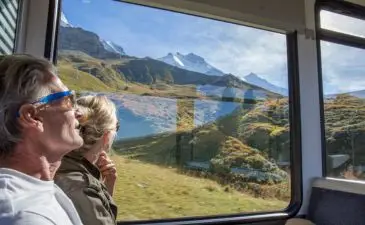
Italian train stations inside Rome connect you to some of Italy's most beautiful rail routes. Watch Tuscany's cypress-lined hills roll by, marvel at the Dolomites' jagged peaks or trace the dramatic Ligurian coastline to visit the Cinque Terre. Local train companies in Italy offer special scenic services with panoramic windows on select routes - ask at the ticket office about these experiences.
Rail passes for exploring
Whether you're planning a focused Italian adventure or including Rome in a broader European journey, rail passes offer excellent value. The Eurail or Interrail One Country Italy Pass allows you to explore from the Alps to Sicily. If you wish to add neighbouring countries onto your Eurail or Interrail pass, consider a Global Pass, which gives you the freedom to explore beyond Italian borders. Do note that most high-speed services require seat reservations, even with a pass.
Rome to the Amalfi Coast
Start your journey to the Amalfi Coast with a high-speed train from Rome to Naples (70 minutes). From Naples Centrale, take the Circumvesuviana local train to Sorrento (1 hour), enjoying views of Mount Vesuvius along the way. From Sorrento, regular SITA buses connect to Positano, Amalfi and Ravello. For a memorable arrival, consider the seasonal ferry service from Naples to Amalfi Coast towns (April-October).
Travel to Rome by train from anywhere across Europe.
London to Rome by trainfrom €53.76 |
Paris to Rome by trainfrom €16.86 |
Florence to Rome by trainfrom €3.16 |
Milan to Rome by trainfrom €3.16 |
Venice to Rome by trainfrom €3.16 |
Munich to Rome by trainfrom €36.45 |
Verona to Rome by trainfrom €13.61 |
Turin to Rome by trainfrom €3.16 |
Ciampino to Rome by trainfrom €1.51 |
La Spezia to Rome by trainfrom €17.74 |
Civitavecchia to Rome by trainfrom €4.83 |
Basel to Rome by trainfrom €27.58 |
Zurich to Rome by trainfrom €21.17 |
Chiusi to Rome by trainfrom €12.56 |
Geneva to Rome by trainfrom €62.89 |