
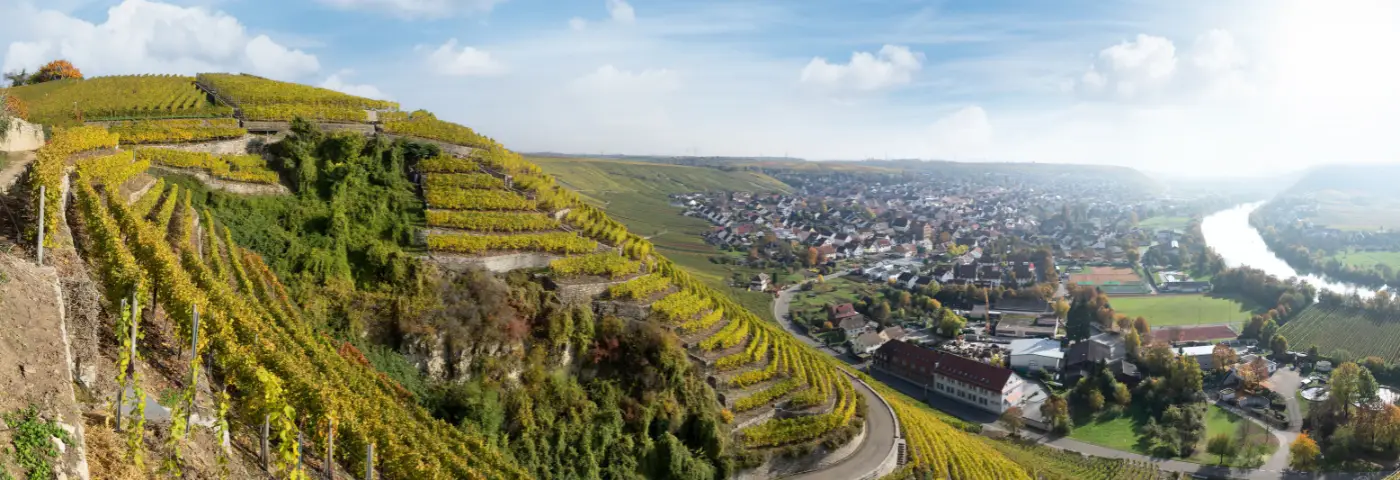


A scenic rail journey through Baden-Württemberg: discover southwest Germany
In the southwest of Germany, Baden-Württemberg quietly packs a lot into one region. Historic cities, vineyard-covered hills, forest trails and spa towns all sit within a few comfortable train rides of each other.
For travellers outside of Europe, the region often flies under the radar. Bavaria tends to steal the spotlight and Berlin gets the headlines. Yet southwest Germany offers many of the same iconic experiences, often with fewer crowds and a little more breathing room.
The real secret is how easily everything connects by rail.
High speed and regional trains link the region’s cities and landscapes in surprisingly short journeys. One morning you might be exploring castle views above the Neckar River. By afternoon you could be walking through pine forests or settling into a thermal bath.
Not a bad way to spend a day.
This rail journey connects several of Baden-Württemberg’s most rewarding destinations, all comfortably reached by train.
Stuttgart: the starting point for exploring southwest Germany
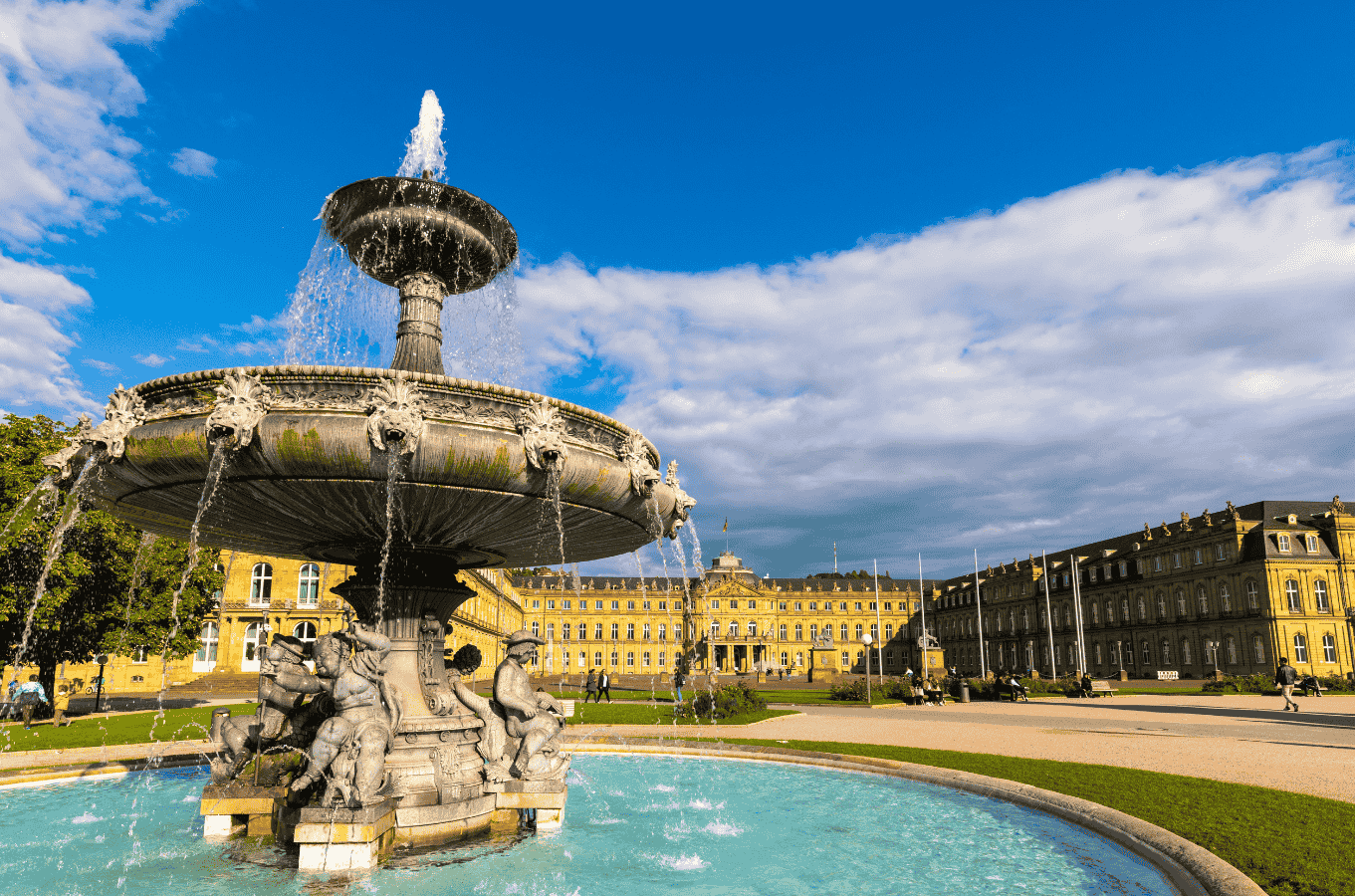
Most rail journeys through Baden-Württemberg begin in Stuttgart, the region’s largest city and one of southern Germany’s key transport hubs.
Trains arrive here frequently from across the country. From Frankfurt, direct ICE services take about 1 hour 20 minutes. From Munich, the journey is around 2 hours. In other words, just enough time for a coffee and a window seat.
Stuttgart sits in a valley surrounded by vineyards, which makes it one of the few major cities in Europe where wine production happens right on the city’s doorstep. Walking paths climb from the centre up through terraced vineyards, where small seasonal wine taverns open their doors for simple dishes and local vintages.
In the centre of town, Schlossplatz acts as Stuttgart’s main meeting point. Locals gather here for festivals, concerts or simply to sit in the sun and watch the city pass by.
The city also happens to be the birthplace of the modern automobile. Both the Mercedes-Benz Museum and Porsche Museum trace the history of automotive design, which is fitting for a city that still takes engineering very seriously.
Fortunately, exploring the region from here requires no driving at all.
Heidelberg: a castle view that never gets old
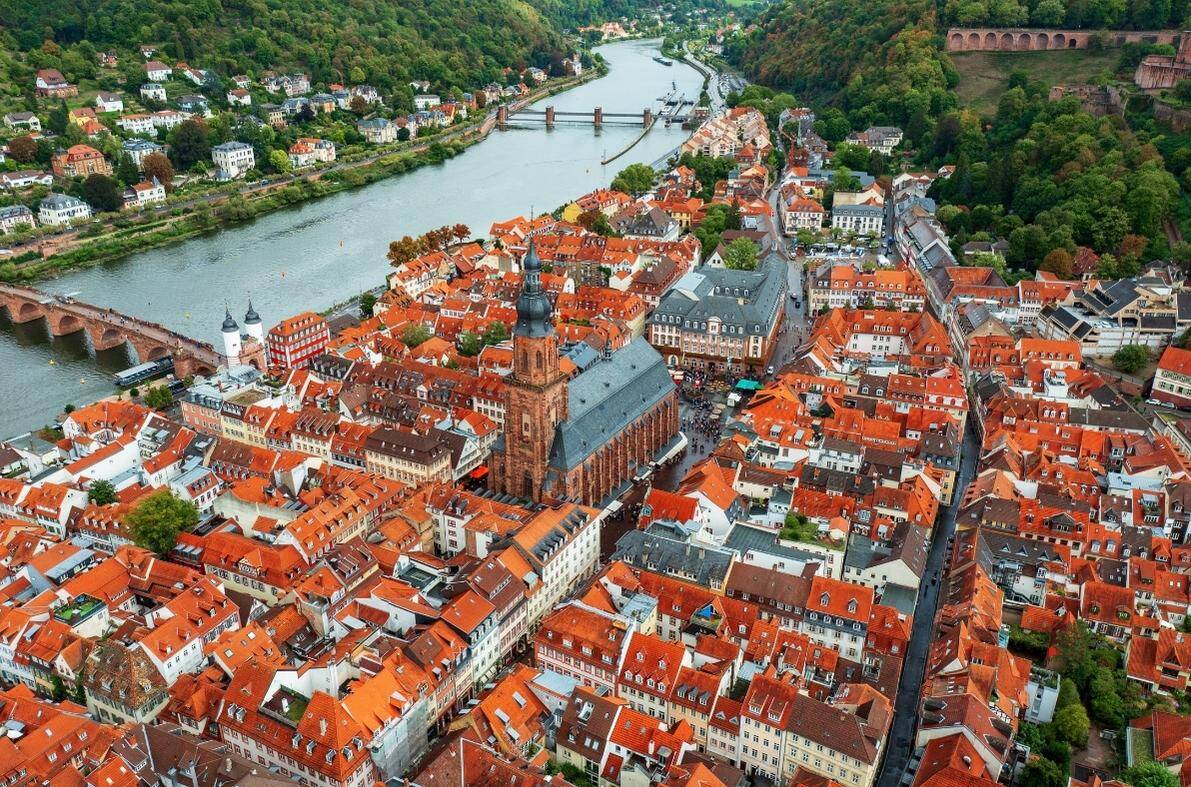
From Stuttgart, trains reach Heidelberg in around 40 minutes.
Heidelberg is often the image people picture when they think of a classic German town. Its sandstone castle sits high above the Neckar River, looking down over rows of old rooftops and church towers.
The castle itself is partly ruined, which somehow makes it even more impressive. A few centuries of history will do that.
Below it lies Heidelberg’s Old Town, where long pedestrian streets connect cafés, bookstores and traditional restaurants. Much of this area survived the Second World War, which means visitors can still wander through a remarkably intact historic centre.
Heidelberg University, founded in 1386, keeps the city lively. Students fill the squares and cafés, giving the centuries-old surroundings a distinctly modern rhythm.
For one of the best viewpoints in the region, walk up to the Philosophenweg across the river. The path looks back toward the castle and Old Town and offers the kind of view that tends to keep cameras busy.
After Heidelberg, the journey continues south toward the forests.
Freiburg: sunshine, markets and the edge of the Black Forest
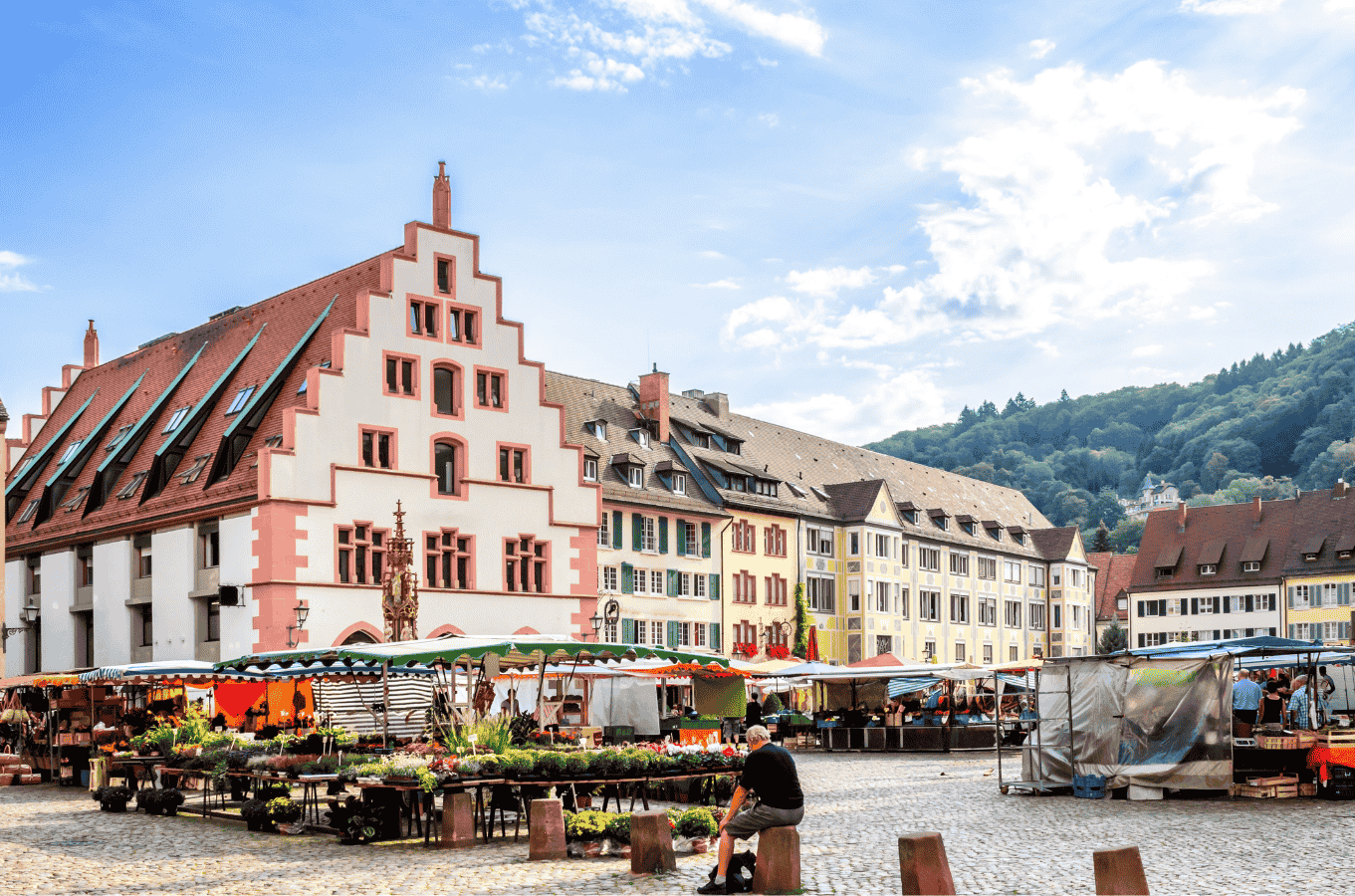
The train from Heidelberg to Freiburg im Breisgau takes around two hours, passing vineyards and farmland along the Upper Rhine Valley.
Freiburg sits at the edge of the Black Forest and has a reputation for being one of Germany’s sunniest cities. Locals make the most of it.
The city’s historic centre is compact and easy to explore. Freiburg Minster rises above the central square, where a daily market sells regional produce, cheeses and Black Forest specialities.
One detail visitors often notice quickly is the Bächle, narrow water channels that run along many of the Old Town streets. Originally designed for practical reasons centuries ago, they now give the city its own small signature feature.
Step in one by accident, according to local legend, and you might end up marrying someone from Freiburg. Whether that is incentive or warning depends on your travel plans.
Freiburg also leads the way in sustainable urban living, with extensive cycling infrastructure and neighbourhoods designed around public transport and renewable energy.
From here, the mountains of the Black Forest are only a short train ride away.
The Black Forest: slow down and take the scenic route
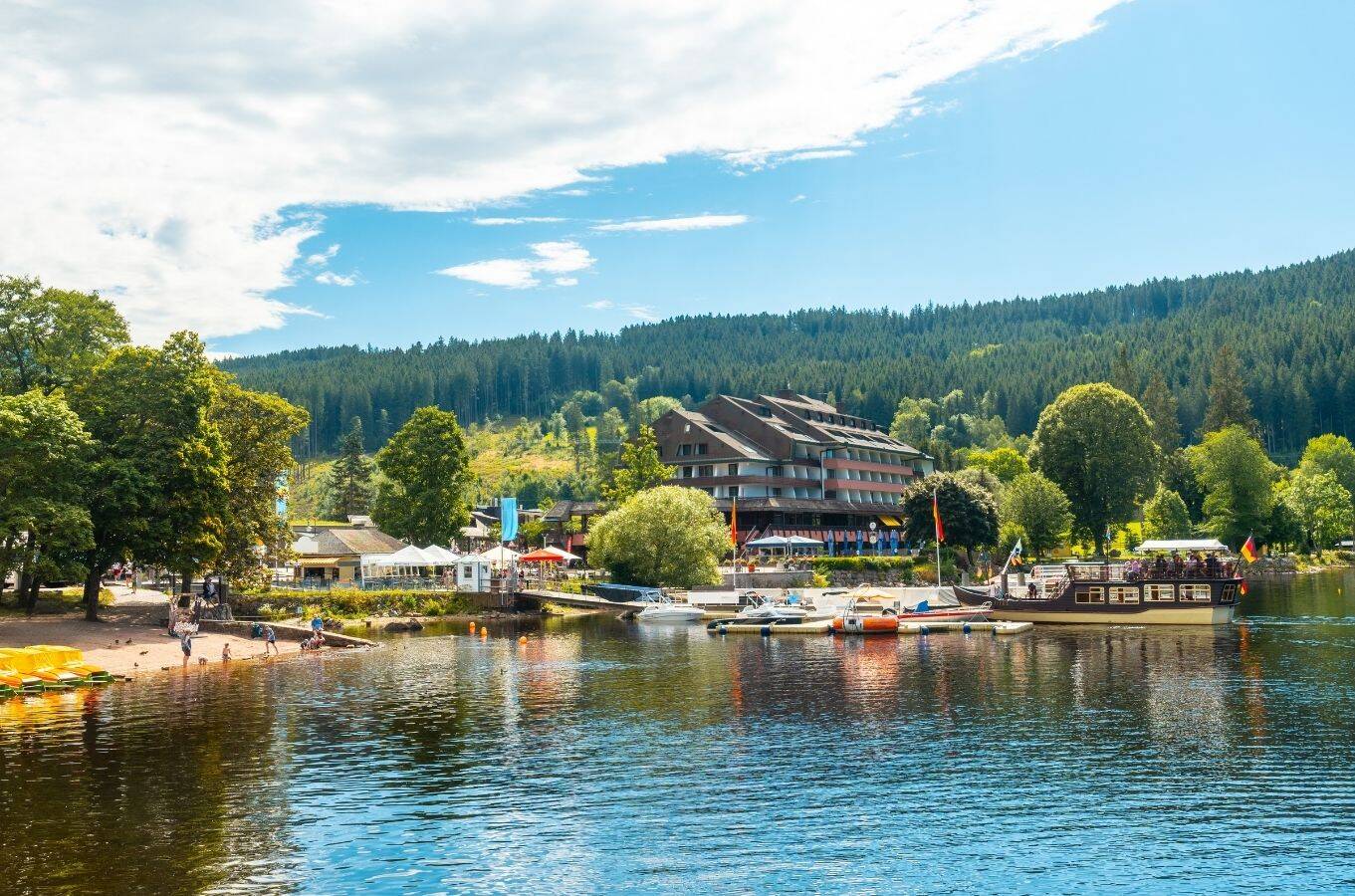
The Black Forest stretches across much of southwest Germany and offers some of the region’s most rewarding landscapes.
Regional trains wind through valleys and forests, connecting small towns and lakeside villages. The journey toward Titisee-Neustadt passes dense woodland before arriving at Lake Titisee, where walking trails and lakeside cafés invite travellers to slow down for a while.
Another worthwhile stop is Triberg, home to Germany’s highest waterfalls and a long tradition of cuckoo clock craftsmanship.
The Black Forest also takes its food seriously. Restaurants across the region serve smoked ham, spätzle noodles and the famous Black Forest cake. Yes, it really does taste better here.
Karlsruhe: a gateway to the Black Forest
Just north of Baden-Baden, Karlsruhe is another important rail hub in southwest Germany and often serves as a starting point for journeys into the Black Forest.
The city is known for its distinctive fan-shaped layout, with streets radiating outward from Karlsruhe Palace at the centre. From the main station, frequent regional trains connect travellers quickly to Baden-Baden, Freiburg and many destinations across the Black Forest. Learn more about this stop here.
After time in the mountains, the rail journey continues toward one of Europe’s classic spa towns.
Baden-Baden: where relaxation is taken seriously
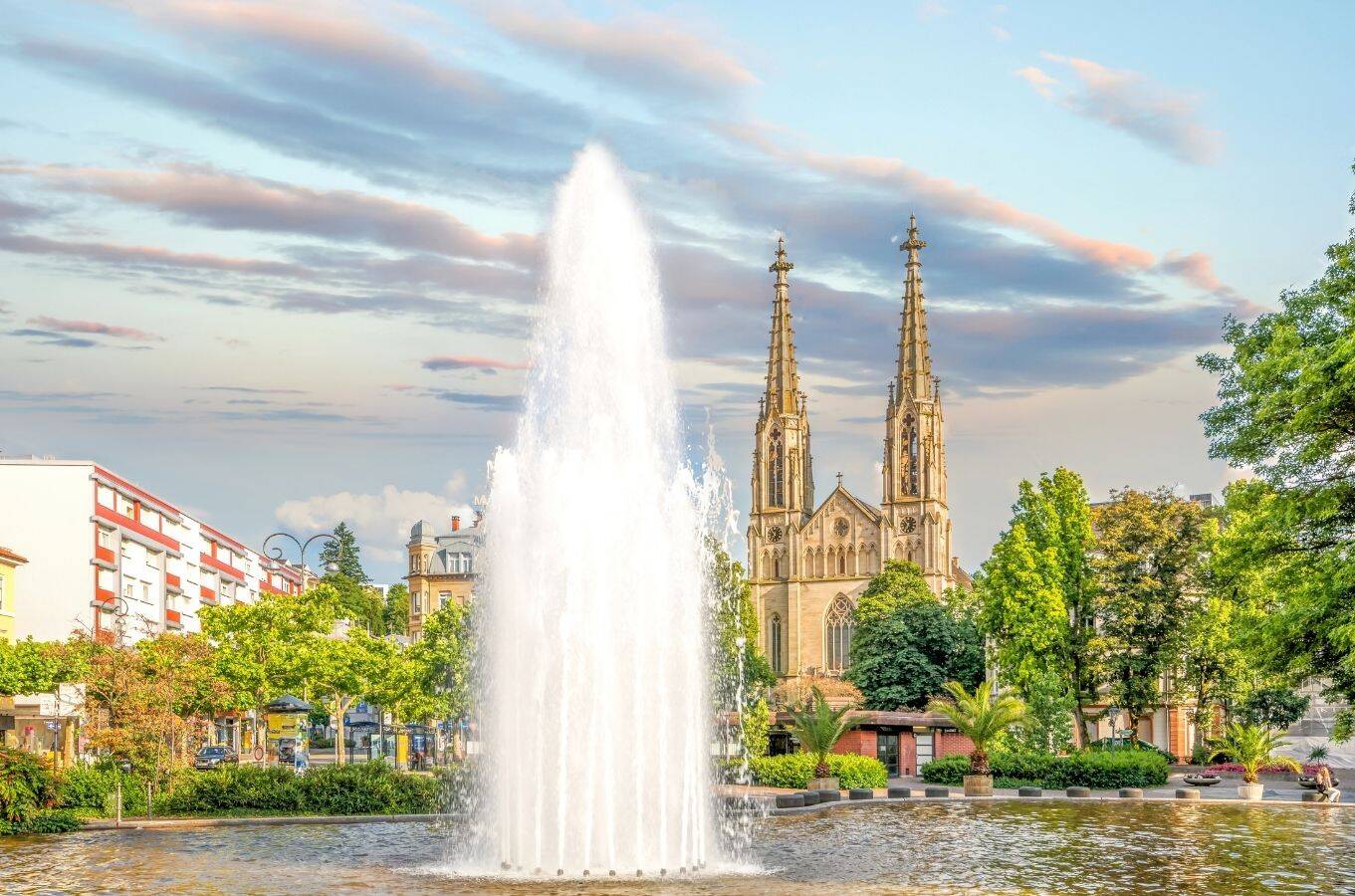
A short train journey from Karlsruhe or Freiburg brings travellers to Baden-Baden.
People have been coming here to relax for more than two thousand years. When the Romans discovered the town’s thermal springs, they did what anyone sensible would do and built baths around them.
Today visitors can experience the historic Friedrichsbad, which follows traditional Roman bathing rituals, or the modern Caracalla Spa with its indoor and outdoor thermal pools.
Baden-Baden itself is elegant without trying too hard. Tree lined parks, Belle Époque architecture and cultural venues give the town a calm and polished atmosphere.
Many visitors combine a spa visit with a walk along the Lichtentaler Allee, a landscaped park that runs through the centre of town.
It is the sort of place where spending an afternoon doing very little feels entirely productive.
Discover Baden-Württemberg by train
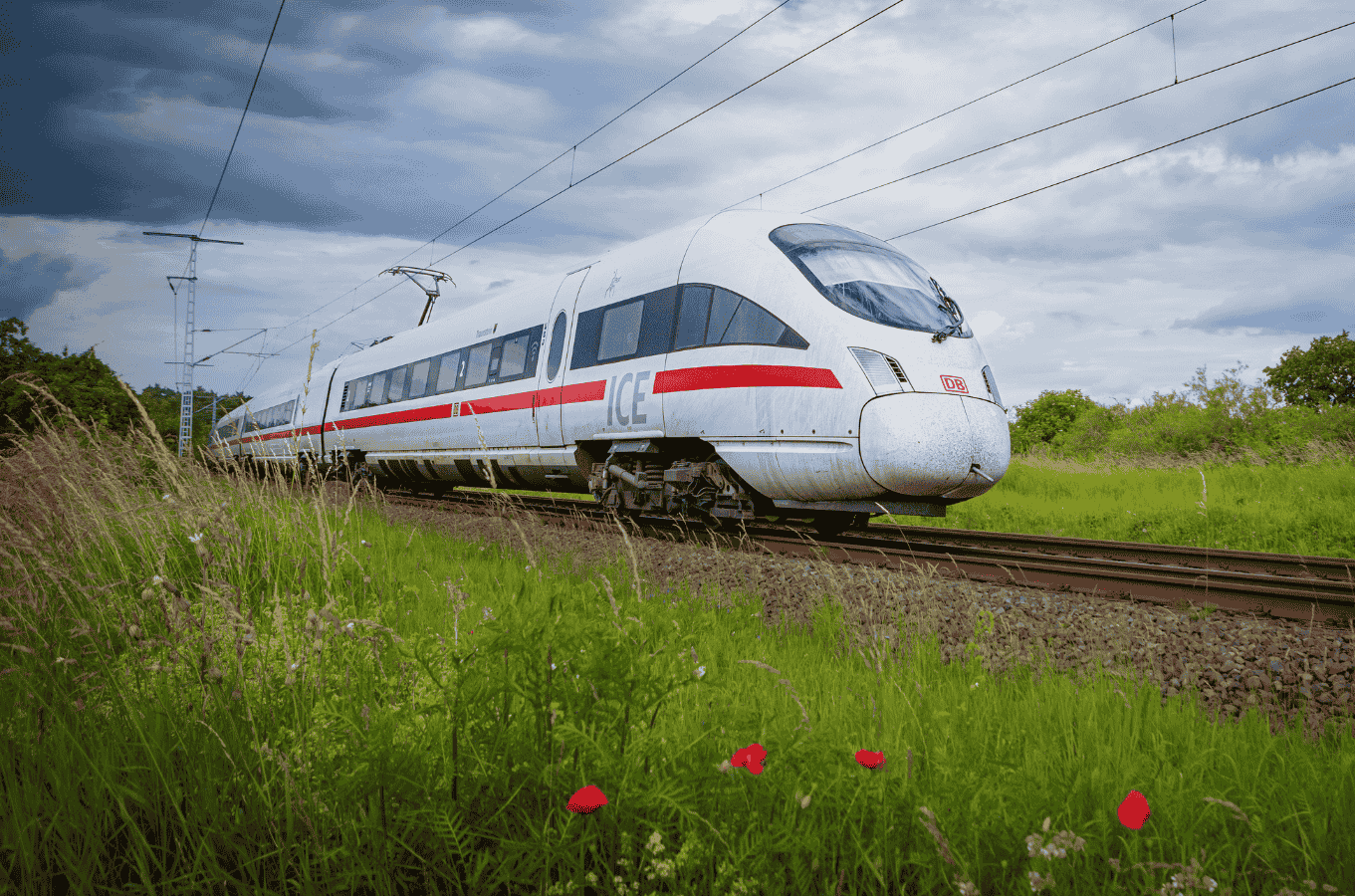
What makes Baden-Württemberg particularly enjoyable to explore is how easily everything connects.
Cities, forest landscapes, wine regions and spa towns all sit within comfortable train journeys of each other. In just a few days, travellers can experience a surprising variety of places without long travel days in between.
With Rail Europe, planning the journey is simple. Travellers can compare routes, book tickets and build an itinerary across Germany and the rest of Europe in one place. For more inspiration and travel ideas across the region, visit Baden-Württemberg Tourism.
And once you begin travelling through southwest Germany by train, something becomes clear. Sometimes the best part of the trip is simply watching the landscape change outside your window.
Powered by Froala Editor